The One-Way Street That Saves Saturday Morning: Broadcast Chat for UK Clubs, PTAs and Village Halls

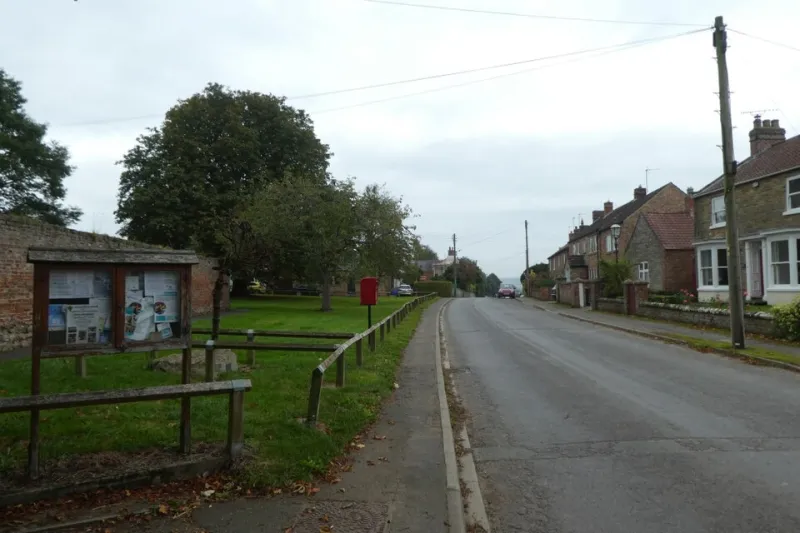
Photo: Ministry of Information Photo Division Photographer, Public domain, via Wikimedia Commons
It is 8:12 on a wet Saturday morning and the under-12s fixture has moved pitches. The message goes into the club group chat. By 8:20 it is somewhere under a question about parking, two offers of spare shin pads and a photo of someone's dog. Nobody is being careless. The group chat is simply doing two jobs at once — and doing one of them badly.
That is why more UK sports clubs, school PTAs and village hall committees are separating the noticeboard from the natter. Fixtures, cancellations, ticket links and volunteer rotas are moving into broadcast chat: one-way channels where an admin posts and everyone else gets the message without the reply-all pile-on. The two-way group still exists. It just stops being the place where important information goes to be buried.
The group chat is a pub, not a noticeboard
A normal group chat is built for conversation. That is its charm and its problem. Ask twenty parents to confirm a kick-off time and you will get twenty replies, several emojis and at least one person asking what the original message said. For a club secretary trying to get a team to a pitch in Wiltshire by 9:15, that is not a communication system. It is a live audience.
Broadcast chat flips the model. One person posts, everyone follows. On platforms such as WhatsApp Channels or Telegram channels, followers get updates without being able to reply into the main feed. Reactions may be allowed, replies may not. The point is not to silence people. It is to give the facts a clear lane of their own.
This is not the same as a WhatsApp broadcast list, where messages go out individually and replies land in separate chats. That can still be useful, but it is not a shared noticeboard. Nor is it a replacement for a school's official parent portal or a club's emergency phone tree. It is a lightweight layer for the everyday stuff that currently clogs the group.
Set it up like a noticeboard, not a megaphone
The first rule is boring but vital: do not make people download a new app for one weekly update. If the club already lives on WhatsApp, use a channel there. If the committee is on Telegram, stay on Telegram. The best broadcast channel is the one people will actually check.
Second, keep a separate two-way space. Call the broadcast channel something plain — 'U12 Falcons — notices only' — and describe exactly what will be posted: match-day details, cancellations, kit orders, links to sign-up forms. Then keep the existing group for chat, lifts and touchline badinage. A pinned message in the group and a QR code at the village hall can point people to the channel.
Third, decide who posts. Two admins is sensible: one main, one backup for holidays and illness. Use a club or PTA role account rather than a volunteer's personal mobile number where possible. Agree a posting rhythm — say, fixture reminders on Thursday evening and a final confirmation on Saturday morning — so the channel does not become a sporadic source of anxiety.
Finally, keep a fallback. Not every grandparent, carer or helper wants another app. A short email or text for the handful of people who need it is not a failure of the system. It is how you avoid building a communication channel that quietly excludes the people who are least likely to complain.
Safeguarding is not an afterthought
For schools and youth clubs, the safeguarding questions come first, not last. A broadcast channel is still a digital space with an audience. It is not a private staffroom.
Keep pupil-specific information out of it. That means no full names alongside medical details, no lists of who is on free school meals, no photos of children without the consent the school or club already requires. Use generic club graphics and first names or initials where a team needs identification. If a parent needs to report an absence, give them a private route — a form, a direct message to the team manager, a phone number — rather than inviting replies into the channel.
For PTAs, remember that the school's official communication policy still applies. A PTA channel can promote a cake sale or share a link to the Christmas fair rota. It should not become the place where a school announces a closure, a safeguarding concern or a pupil-specific issue. Those belong in the school's proper systems, with the school's data protection officer in the loop.
It is also worth checking how the platform treats followers and content. Some channels are more public than a group chat; some are not end-to-end encrypted in the same way. Do not post anything you would not put on the village hall noticeboard with the door propped open. And have a named person — a safeguarding lead or committee officer — who can remove access when someone leaves the club or when a concern is raised.
The message that works
A good broadcast message is short, dated and specific. Something like: 'U12 Falcons — Saturday 14 November. Meet 9:15 at the astro. Kick-off 10:00. Bring water and shin pads. If you cannot make it, message the team manager directly. Full details: [link]. Posted Thursday 7pm.'
That is it. One call to action, one place to go for more, no invitation to open a debate in the comments. If people want to debate, they have the group chat for that.
When the two-way group still wins
Broadcast channels are not a universal upgrade. If the task is a lift rota, a volunteer rota, a last-minute headcount or a sensitive welfare conversation, a group chat or a direct message is usually better. If the committee needs to thrash out a decision, a channel that only lets one person speak is a poor fit. And if the club is small enough that everyone already knows everyone, the group chat may be doing just fine.
The trick is to stop asking one space to do everything. Let the group chat be the pub. Let the broadcast channel be the noticeboard. Then the Saturday morning message about the pitch change might actually be seen before the dog photo.
It is a small piece of digital admin, but it saves a surprising amount of standing around in the rain.